Genetic Counseling Intake Form
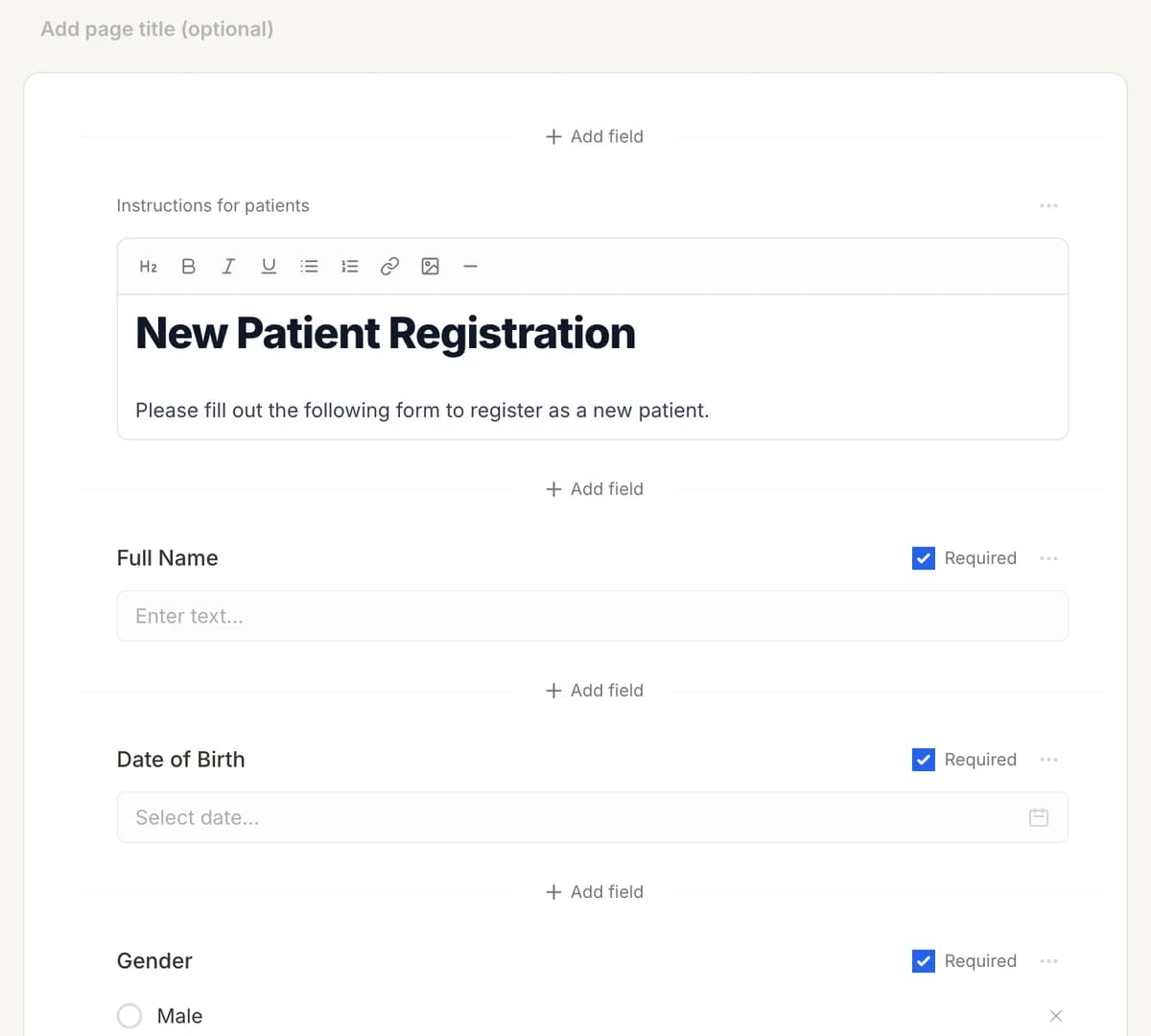
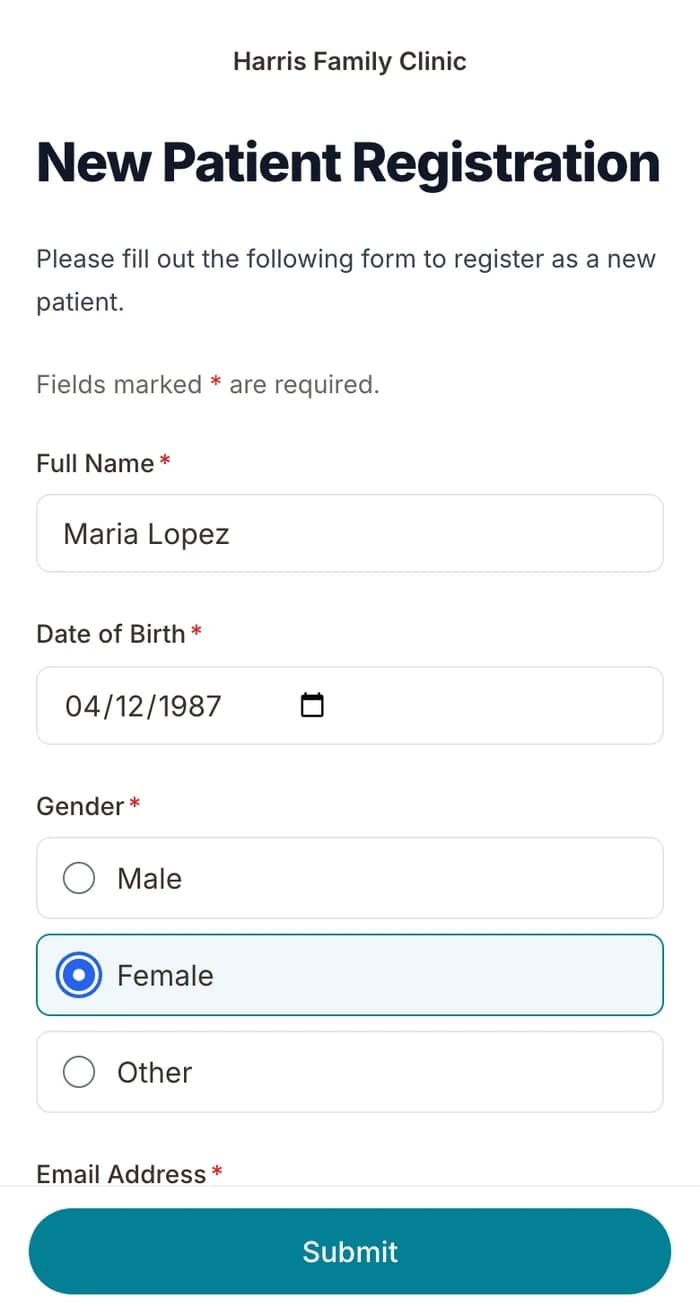
Form preview

Genetic Counseling Intake Form
Page 1 of 3
Sign up and start customizing in minutes.
The genetic counseling intake form is a specialized clinical document designed to support genetic counselors and medical geneticists in evaluating patients for hereditary conditions, genetic risk factors, and familial disease patterns. It serves as the foundational data collection tool for appointments involving prenatal genetic screening, cancer predisposition assessment, carrier testing, and evaluation of inherited disorders. The form captures the detailed personal and family information that genetic counselors require to construct accurate pedigrees, identify inheritance patterns, and determine whether genetic testing is clinically indicated. By collecting this information before the consultation, the form allows counselors to focus appointment time on risk assessment, patient education, and shared decision-making about testing options.
The form gathers comprehensive three-generation family history data, documenting specific conditions, ages of onset, and outcomes for biological relatives on both maternal and paternal sides. It captures ethnic and ancestral background information relevant to population-specific carrier screening, such as Ashkenazi Jewish genetic panels or sickle cell trait assessment. Previous genetic testing results, including carrier screens, chromosomal analyses, and direct gene sequencing, are documented with laboratory details and interpretation summaries. Reproductive history sections cover pregnancies, pregnancy losses, birth defects, and assisted reproduction. The form also collects information about consanguinity, adoption status that may limit family history availability, and the patient's primary reason for referral, whether related to personal diagnosis, family planning, or a newly identified familial variant.
This form is used by genetic counseling clinics, prenatal diagnostic centers, cancer genetics programs, pediatric genetics services, and reproductive medicine practices. It aligns with documentation standards recommended by the National Society of Genetic Counselors and supports compliance with informed consent requirements for genetic testing under state and federal regulations. The structured intake process enables counselors to prepare targeted risk assessments, select appropriate testing panels, and develop individualized counseling plans before the patient visit. For practices managing high referral volumes for hereditary cancer syndromes, prenatal anomalies, or rare disease evaluations, the form significantly improves appointment efficiency and ensures that no critical family history details are overlooked during the counseling session.
What's included
- Patient demographics and contact information
- Detailed three-generation family history
- Ethnic and ancestral background
- Previous genetic testing results
- Pregnancy and reproductive history
- Cancer family history assessment
- Developmental disorders screening
- Consanguinity information
- Specific genetic concerns
- Insurance and referral information
Who uses this template
- Genetic Counseling Clinics
- Prenatal Diagnostic Centers
- Cancer Genetics Programs
- Pediatric Genetics Services
- Reproductive Medicine Clinics
All form fields
10 fields across 3 pages. Customize any field after signing up.
Start with this template
Sign up and start customizing the Genetic Counseling Intake Form for your practice. Set up in minutes.
Related templates
Genetic Testing Consent Form
Informed consent for genetic and genomic testing covering test purpose, potential findings, implications for family members, data privacy, and right to decline results. Required for clinical and predictive genetic testing.

Family Medical History Form
Structured family history form covering hereditary conditions across first and second-degree relatives. Organized by condition category for genetic risk screening and preventive care planning.

Pregnancy & Obstetric History Form
Document detailed pregnancy and obstetric history including prior pregnancies, deliveries, and complications. Essential for OB/GYN practices managing prenatal and postpartum care.