Audiology Hearing Screening Form
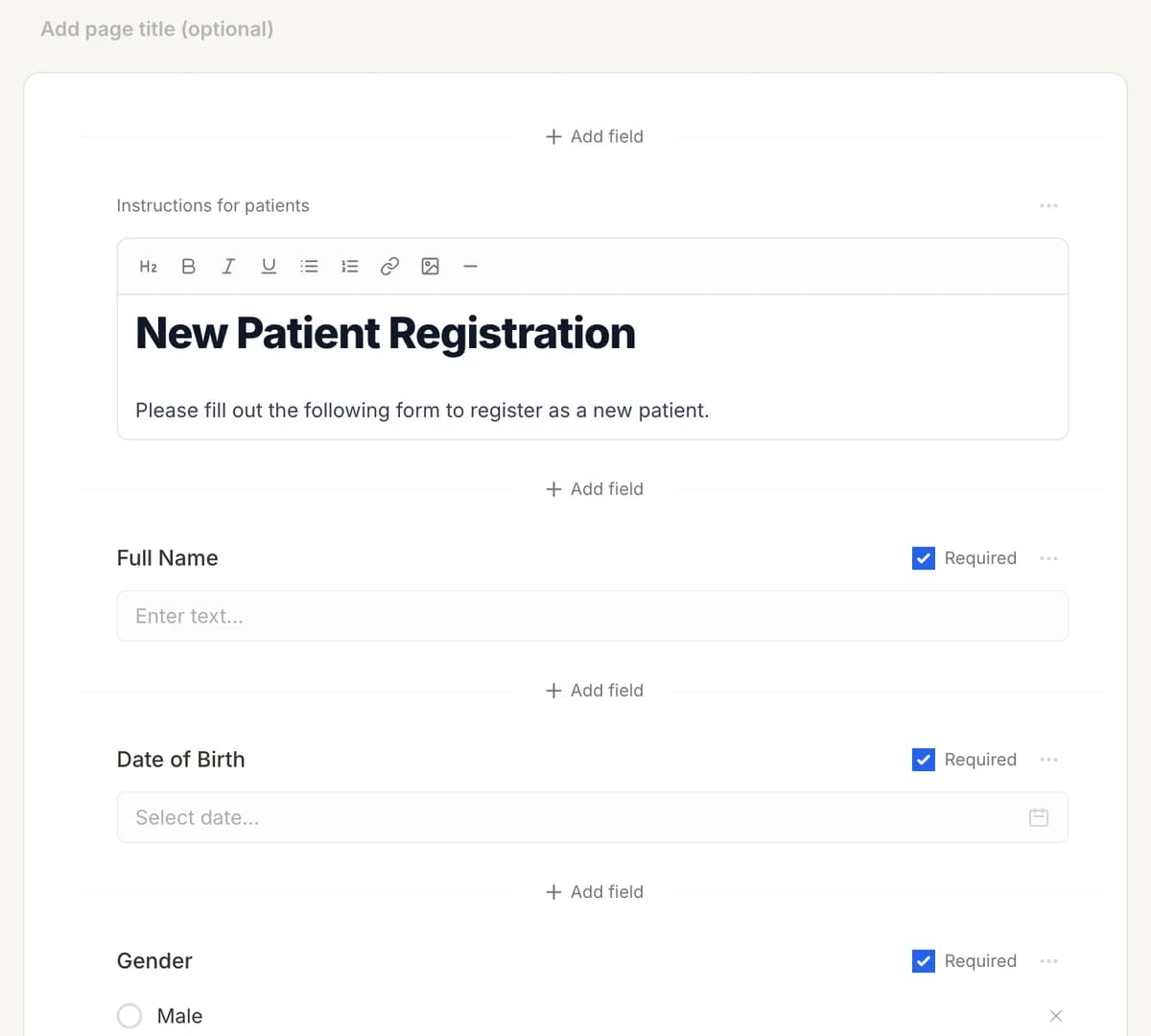
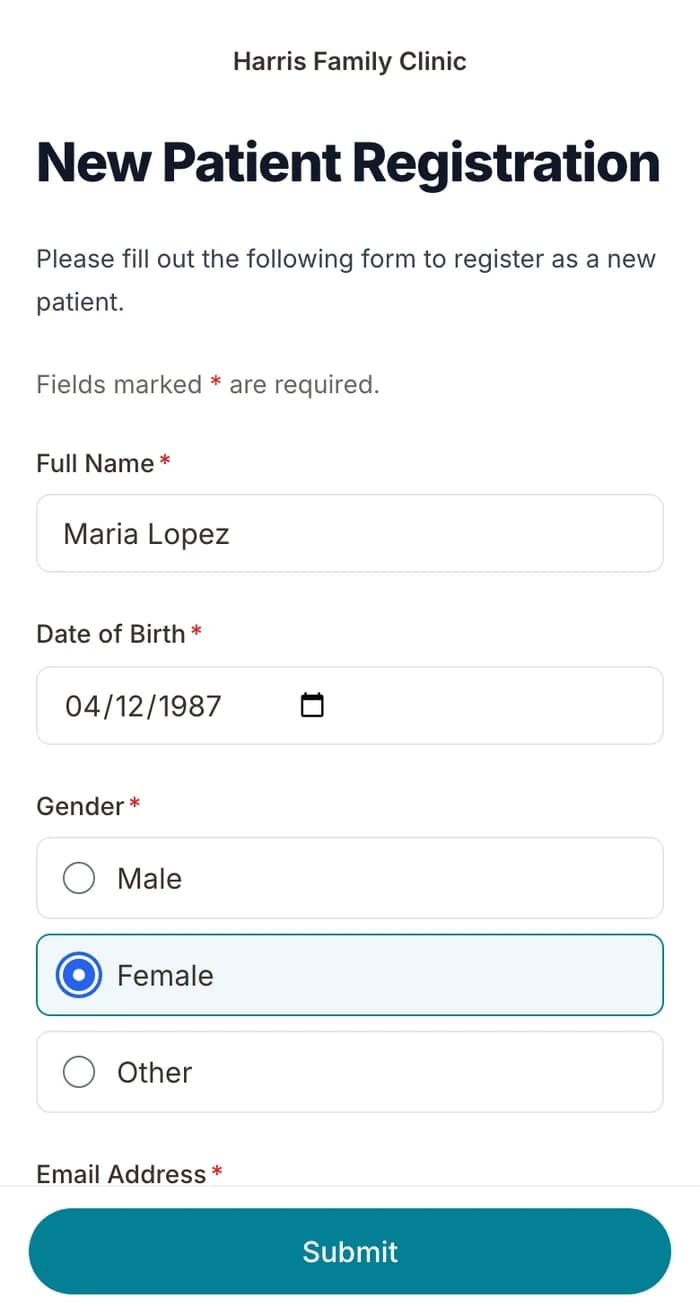
Form preview

Audiology Hearing Screening Form
Page 1 of 3
Sign up and start customizing in minutes.
This audiology hearing screening form is a specialized clinical intake tool that streamlines the initial assessment process for patients presenting with hearing concerns, tinnitus, or balance-related symptoms. It provides audiologists and hearing specialists with a structured framework for documenting the onset, progression, and character of auditory symptoms before formal diagnostic testing begins. The form captures a comprehensive history that enables clinicians to prioritize testing protocols, identify potential medical causes requiring physician referral, and establish a baseline understanding of how hearing difficulties impact the patient's daily communication and quality of life. By gathering this information prior to the appointment, the form maximizes clinical time available for audiometric evaluation and counseling.
The form records patient demographics including name and date of birth, then captures the primary hearing concern through an open-text narrative field. Laterality is documented by identifying which ear is affected, whether left, right, or both. Symptom duration is recorded with standardized timeframe options to establish chronology. The tinnitus assessment section screens for the presence, character, and severity of ringing, buzzing, or other phantom auditory perceptions. A noise exposure history checklist documents occupational sources such as manufacturing, construction, or military service, as well as recreational exposures including firearms, power tools, and amplified music. The form screens for dizziness or balance issues that may indicate vestibular involvement. An assessor name field and clinical notes section allow the screening provider to document observations, preliminary impressions, and recommendations for follow-up testing.
This template serves audiology clinics, ENT specialty practices, occupational health centers, veteran affairs audiology departments, and retail hearing aid centers. It supports compliance with OSHA hearing conservation program requirements for occupational screenings and aligns with American Academy of Audiology guidelines for clinical documentation. The structured data collection helps identify candidates for comprehensive audiological evaluation, hearing aid fitting, tinnitus management programs, cochlear implant assessment, or medical referral to otolaryngology. The form also provides the clinical documentation needed for insurance pre-authorization of hearing aids and assistive listening devices, ensuring that the medical necessity criteria required by most payers are thoroughly captured during the initial patient encounter.
What's included
- Chief hearing complaint
- Affected ear identification
- Symptom duration and progression
- Tinnitus characteristics
- Balance and dizziness screening
- Noise exposure history
- Previous hearing tests
- Hearing aid use history
- Family history of hearing loss
- Medical conditions affecting hearing
Who uses this template
- Audiology Clinics
- ENT Specialty Practices
- Occupational Health Centers
- Veteran Affairs Audiology
- Retail Hearing Aid Centers
All form fields
10 fields across 3 pages. Customize any field after signing up.
Start with this template
Sign up and start customizing the Audiology Hearing Screening Form for your practice. Set up in minutes.
Related templates

ENT (Ear, Nose & Throat) Intake Form
ENT-specific intake covering hearing loss, sinus symptoms, throat complaints, balance disorders, and allergy history. For otolaryngologists, audiologists, and head and neck surgery practices.
Hearing Aid Evaluation Form
Hearing aid evaluation and audiology intake form for audiologists, ENT practices, and hearing clinics. Captures hearing history, noise exposure, communication difficulties, current hearing aids, insurance verification, and appointment scheduling for hearing assessments.

Occupational Health History Form
Occupational health history form documenting workplace exposures, prior work-related injuries, hazardous material contact, respiratory surveillance, and ergonomic assessments. Designed for occupational medicine and employee health programs.