Interventional Radiology Patient Intake Form
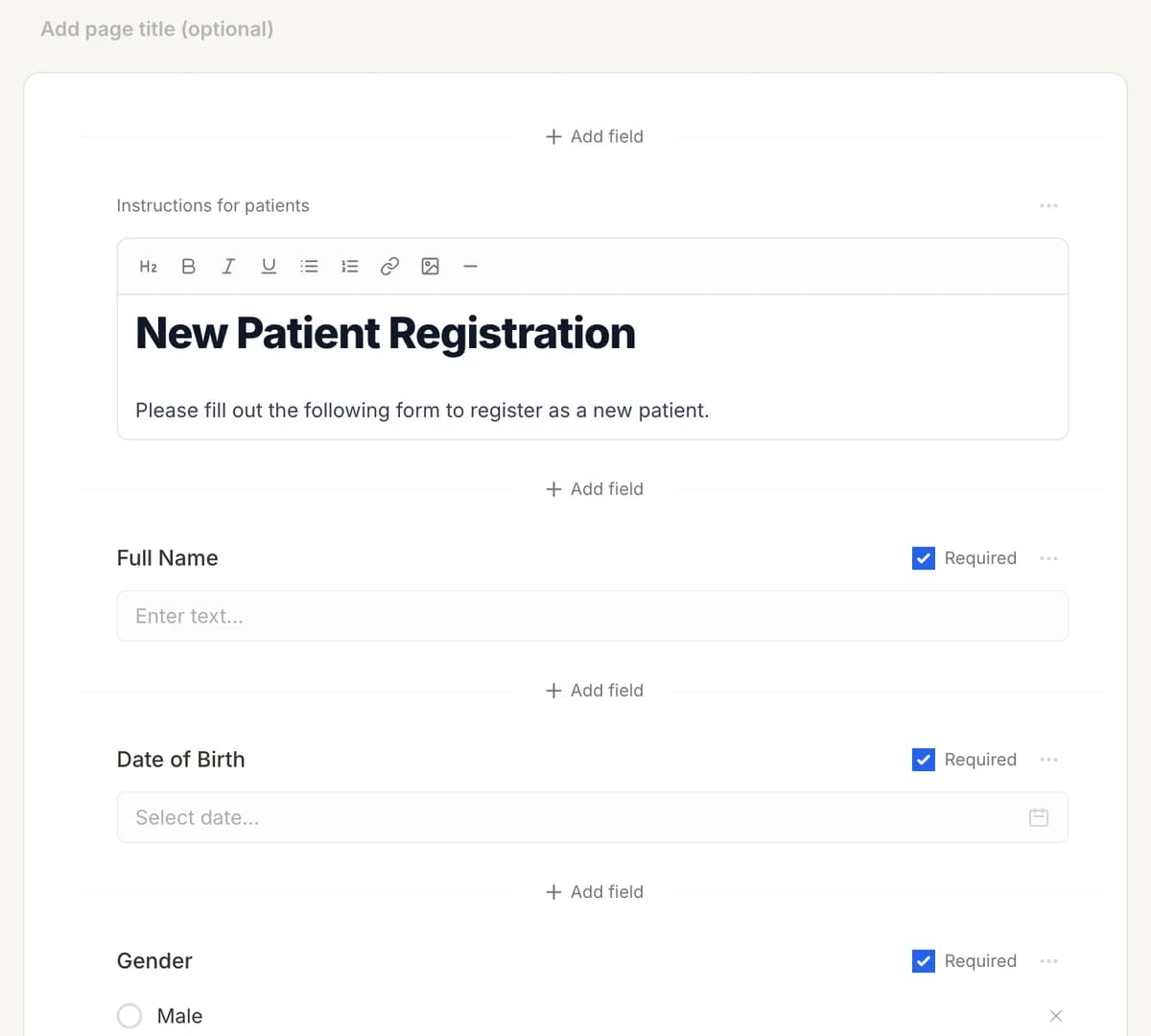
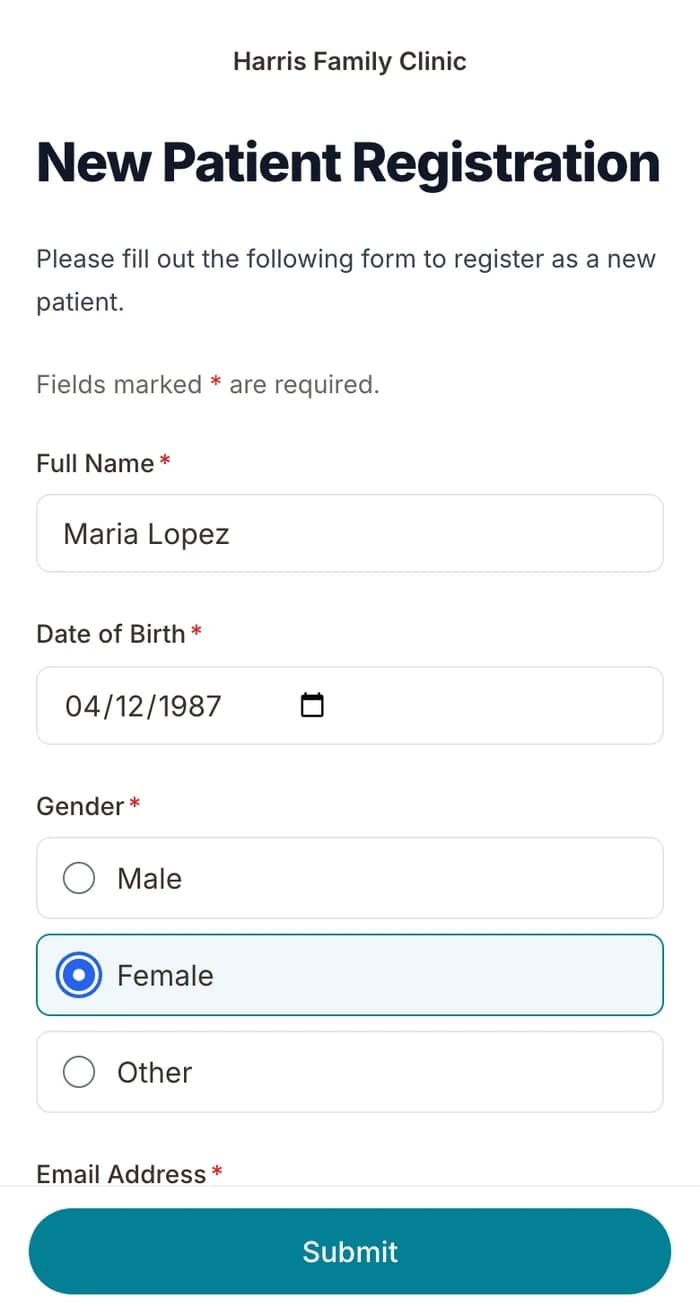
Form preview

Interventional Radiology Patient Intake Form
Page 1 of 3
Sign up and start customizing in minutes.
The interventional radiology patient intake form is a specialized pre-procedure document designed to collect the clinical information required for safe planning and execution of image-guided minimally invasive procedures. Interventional radiology encompasses a broad range of diagnostic and therapeutic procedures including angiography, embolization, percutaneous biopsies, tumor ablations, stent placements, drain insertions, and vascular access procedures. Each of these interventions carries specific risks related to contrast media exposure, bleeding, infection, and sedation that must be assessed before the procedure. The form ensures that interventional radiologists and their care teams have a complete clinical picture to guide procedure planning, risk mitigation, and patient preparation protocols.
The form captures detailed information about contrast media allergy history, including the type of reaction experienced and any premedication protocols previously used. Renal function data is collected to assess the risk of contrast-induced nephropathy, with specific questions about creatinine levels, dialysis status, and history of kidney disease. Anticoagulation and antiplatelet medication use is documented with dosages and last administration dates, which is critical for determining whether medications need to be held before the procedure. The form also records previous IR procedures and their outcomes, vascular access history including any complications, implanted devices such as pacemakers or metallic implants that may affect imaging modality selection, and current medications that could interact with sedation agents. Referring physician information and the specific procedure indication are captured to ensure proper coordination of care.
This form is used by hospital interventional radiology departments, outpatient imaging centers, vascular intervention clinics, and interventional oncology practices. It supports compliance with the Society of Interventional Radiology practice guidelines and Joint Commission requirements for pre-procedure patient assessment. The structured intake process allows IR teams to identify high-risk patients early, arrange appropriate premedication for contrast allergies, coordinate anticoagulation management with referring physicians, and ensure that informed consent discussions address patient-specific risks. For busy IR suites handling multiple procedures daily, the form reduces delays caused by missing clinical information and supports efficient scheduling by flagging patients who require additional preparation or monitoring resources.
What's included
- Scheduled procedure and indication details
- Previous imaging and IR procedure history
- Contrast media allergy screening
- Renal function and dialysis status
- Bleeding disorders and coagulation history
- Current anticoagulation medications
- Implanted devices and metal screening
- Vascular access history
- Allergies to anesthetics and antibiotics
- Insurance and authorization information
Who uses this template
- Interventional Radiology Departments
- Hospital IR Suites
- Outpatient Imaging Centers
- Vascular Intervention Clinics
- Interventional Oncology Practices
All form fields
10 fields across 3 pages. Customize any field after signing up.
Start with this template
Sign up and start customizing the Interventional Radiology Patient Intake Form for your practice. Set up in minutes.
Related templates
Radiology & Imaging Consent
Informed consent for diagnostic imaging procedures including CT scans, MRI with contrast, fluoroscopy, and interventional radiology. Covers radiation exposure, contrast agent risks, and pregnancy screening.
Pre-Operative Assessment Form
A comprehensive pre-surgical evaluation form covering medical history, anesthesia risk classification, medication review, laboratory results, and overall surgical readiness.
Vascular Surgery Intake Form
Vascular surgery-specific intake covering arterial and venous disease history, claudication assessment, wound evaluation, prior vascular interventions, and cardiovascular risk factor documentation. For vascular surgeons and endovascular specialists.